The Department of Forestry, Fisheries and the Environment is testing an unusual approach to a familiar community complaint: the smell surrounding wastewater treatment plants.
It is piloting a tree-planting initiative around treatment facilities in an effort to reduce odours and improve conditions for nearby communities. The first phase will begin at the Ekurhuleni Water Care Company, commonly known as ERWAT, which operates 19 wastewater treatment works.
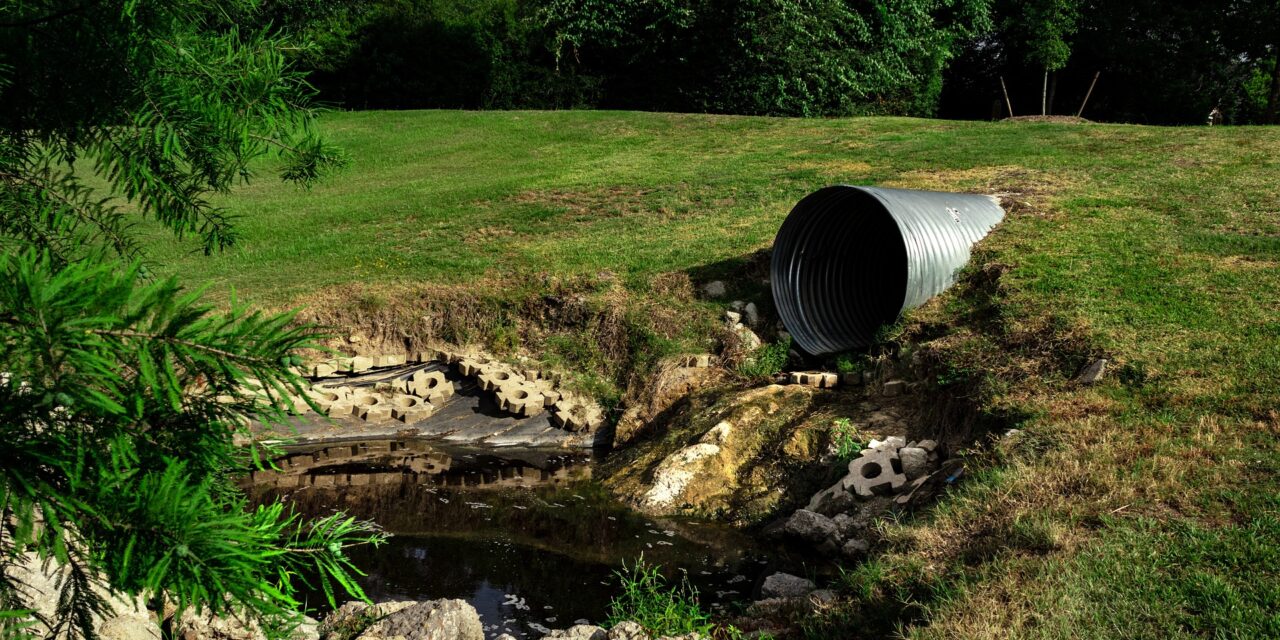
Wastewater facilities play an essential role in processing sewage and protecting public health. Yet for residents living nearby, they often bring a different reality: persistent smells linked to sludge treatment, chemical reactions and decomposition processes.
Deputy Minister Bernice Swarts said odours from treatment operations continue to create environmental and social challenges for communities.
“These odours can lead to neighbouring community discomfort, complaints, and reputational risks, particularly in densely populated areas.” Swarts was speaking said at the launch of the Presidential One Billion Trees Programme in Pretoria.
Trees as a buffer between industry and communities
The thinking behind the project extends beyond simply planting greenery.
Government says tree belts around wastewater sites can create buffer zones between infrastructure and surrounding residential areas while improving environmental conditions. Trees can assist with air quality, create green spaces and potentially soften some of the impacts linked to industrial activity.
“It is therefore important to develop green spaces through tree planting in and around the wastewater treatment plant, which offer buffers between communities and add to the general wellness of the environment,” Swarts said.
The initiative also connects to the broader Presidential One Billion Trees Programme, which aims to increase greening efforts across schools, public spaces and communities.
Beyond smells and wastewater
The announcement follows last year’s One Million Trees campaign, during which more than 1.3 million trees were planted nationally.
Government plans to significantly expand those efforts this year with a target of planting ten million trees during Heritage Day activities in September.
For communities living near industrial areas, wastewater plants and dense urban developments, the pilot raises a broader question: can environmental infrastructure do more than perform its technical function?
Success for residents may ultimately come down to something simple,cleaner surroundings, greener neighbourhoods and perhaps a little less stink drifting through the air.