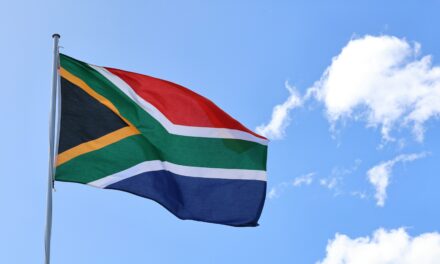
South Africa will host the 2026 global flagship event for the International Day for Biological Diversity on 22 May, placing the country at the centre of international conversations around conservation, ecosystems and the future of biodiversity.
The event follows an invitation from the United Nations Convention on Biological Diversity Secretariat and marks the first occasion that a member state has been invited to host the flagship programme. The gathering will take place under the theme Acting Locally for Global Impact, with a focus on how community action, partnerships and conservation efforts contribute to wider environmental goals.
For South Africa, the moment carries significance beyond international recognition. It arrives during a period when biodiversity increasingly intersects with everyday concerns such as food systems, water security, tourism and jobs.
Why biodiversity matters beyond conservation
Biodiversity often enters public discussion through wildlife and protected areas. Yet its role stretches far beyond conservation spaces.
Healthy ecosystems support agriculture, pollination, water resources and climate resilience. Wetlands help filter water, indigenous vegetation protects soils and biodiversity-rich landscapes often support local economies through tourism and agriculture.
South Africa carries particular weight in global biodiversity discussions. The country is recognised as one of the world’s megadiverse nations and ranks among the top ten globally for plant species richness. It also has exceptionally high levels of species found nowhere else on Earth, particularly in marine ecosystems.
The country hosts three globally recognised biodiversity hotspots, 31 wetlands protected under the Ramsar Convention and the ecologically important Agulhas Bank marine system.
Local action increasingly drives national goals
The event theme reflects a growing shift in environmental thinking: conservation efforts increasingly depend on communities and landowners alongside governments and researchers.
One example is South Africa’s biodiversity stewardship programme, which encourages partnerships between conservation authorities and private or communal landowners. Over two decades, the programme has helped secure around 2.76 million hectares across 469 sites and accounts for much of the country’s terrestrial protected area expansion.
The programme also highlights a wider point often missed in environmental debates. Conservation increasingly links to livelihoods, tourism opportunities, water protection and land restoration.
For many communities, biodiversity discussions are becoming less about distant environmental goals and more about practical questions involving economic resilience and local development.
Looking ahead
Ahead of the global event, South Africa will host a national consultative conference focused on revising its biodiversity strategy for the coming decade. The process forms part of efforts to align national priorities with international biodiversity targets.
The 2026 event will also create an opportunity for South Africa to present local conservation efforts on an international stage and place community-driven environmental work at the centre of the conversation.