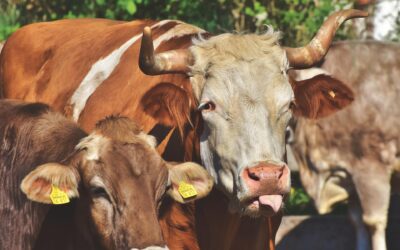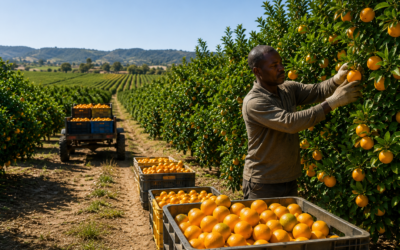
Most people will never see the tiny beetles, worms, fungi or viruses threatening parts of Africa’s food system. Yet across farms, orchards and forests, from South Africa to East Africa and beyond, crops are constantly under pressure from pests and diseases capable of wiping out harvests, damaging exports and changing what ends up on supermarket shelves.
Some attack maize fields. Others target citrus, bananas or livestock. A few are so destructive that entire trees or plants must be removed to stop them spreading further.
For farmers and agricultural authorities, these battles are nothing new. But as global temperatures rise and movement across borders increases, managing pests and diseases is becoming more complex and more expensive. We profiled the big 7 with pictures.
1. Fall armyworm
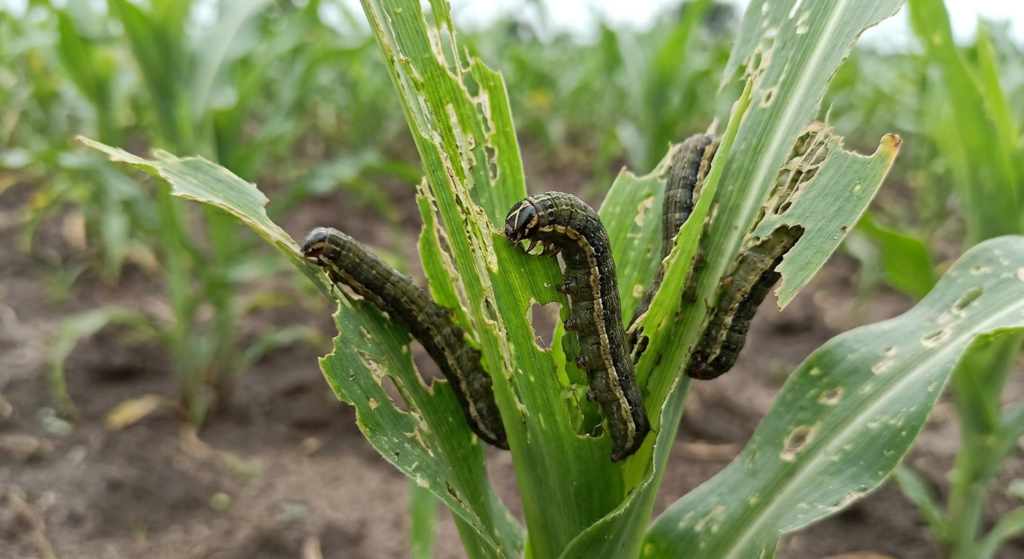
Originally from the Americas, Fall armyworm has become one of Africa’s most destructive crop pests.
The pest mainly attacks maize, one of South Africa’s staple crops, but can also damage sorghum, wheat and sugarcane. Large infestations can spread rapidly through fields, leaving severe crop losses behind.
Its arrival has added another layer of pressure for farmers already facing rising input costs and climate instability.
(Fall armyworm information: https://www.fao.org/fall-armyworm/en/)
2. Oriental fruit fly
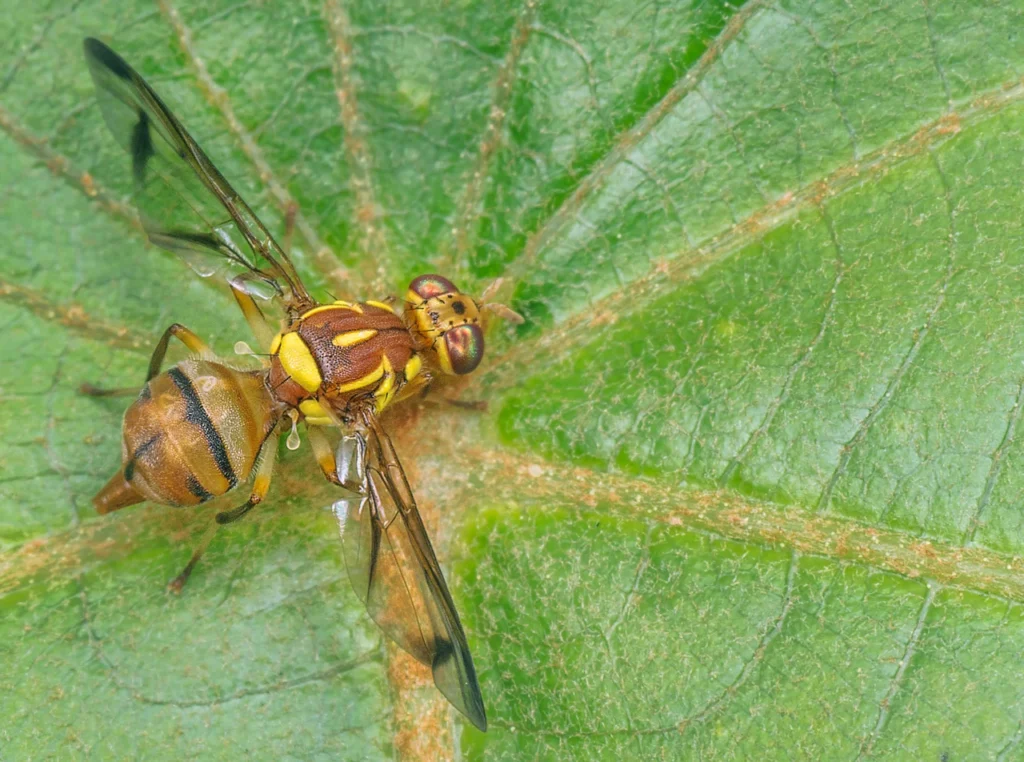
The Oriental fruit fly is considered a major threat to fruit farming and agricultural exports.
The pest attacks a wide range of fruit, including mangoes, peaches and citrus. Outbreaks can trigger strict export controls and quarantine measures from importing countries.
For South Africa’s export-driven fruit industry, the economic risks can be significant.
(Oriental fruit fly information: https://www.invasives.org.za/invasive-species/what-are-invasive-species/invasive-species-fact-sheet/oriental-fruit-fly/)
3. Citrus greening
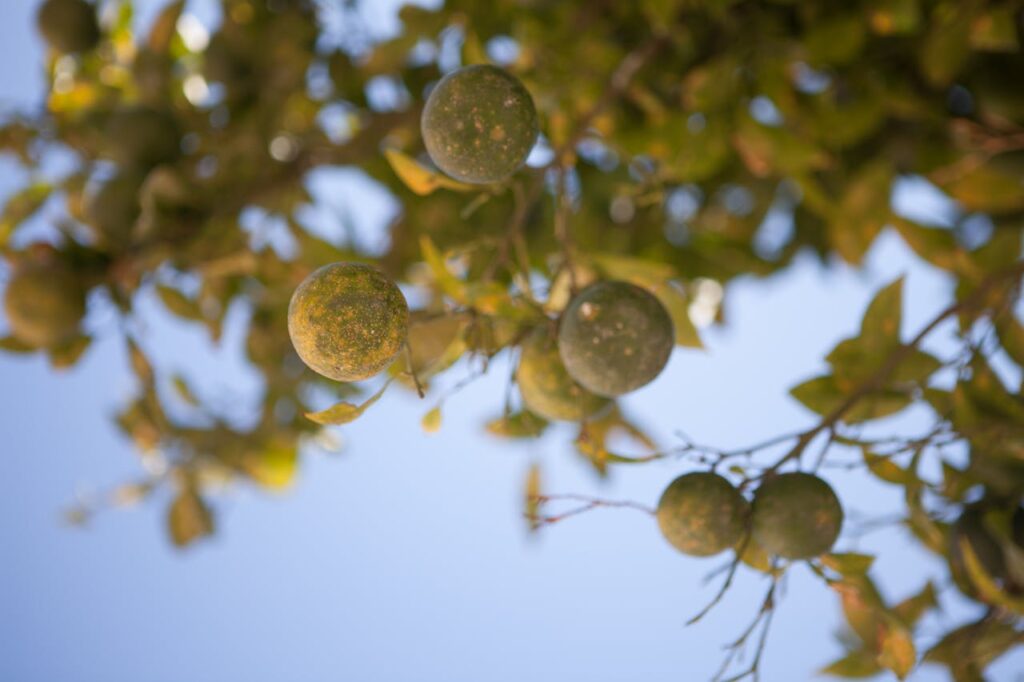
Known globally as Huanglongbing (HLB), Citrus greening is regarded as one of the most destructive citrus diseases in the world.
The disease weakens citrus trees over time, causing poor-quality fruit, reduced yields and eventual tree decline. Once established, it is extremely difficult to eliminate.
The disease has devastated citrus industries in several countries, making prevention and monitoring critical.
(Citrus greening information: https://citrusres.com/huanglongbing-greening/)
4. Polyphagous shot hole borer
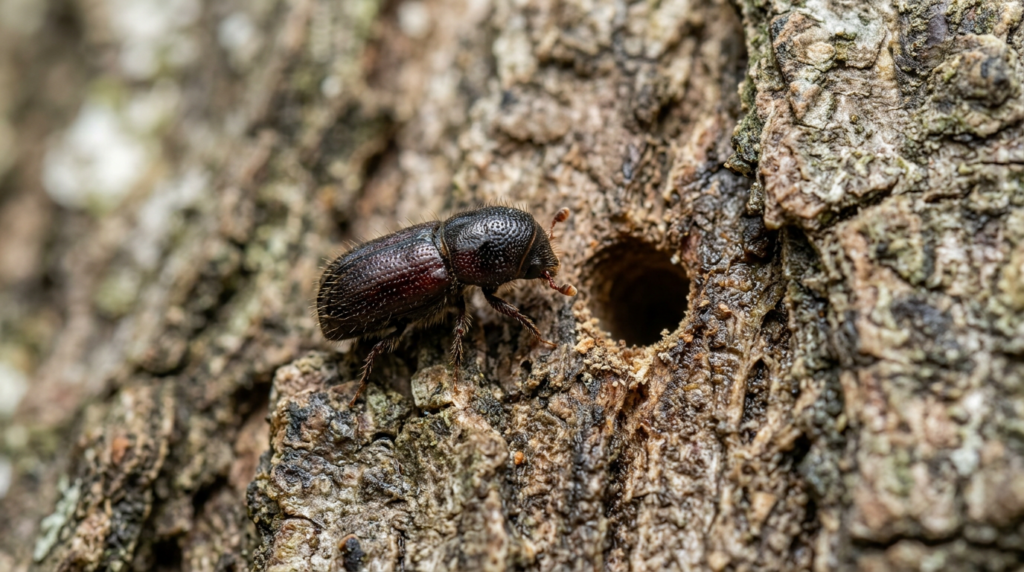
The Polyphagous shot hole borer is a tiny invasive beetle causing growing concern in both urban and agricultural environments.
The beetle spreads a fungus that blocks water movement inside trees, eventually killing them. Hundreds of tree species are vulnerable, including some indigenous and urban trees.
(Polyphagous shot hole borer information: https://www.invasives.org.za/invasive-species/what-are-invasive-species/invasive-species-fact-sheet/polyphagous-shot-hole-borer-pshb/)
5. Banana Bunchy Top Virus
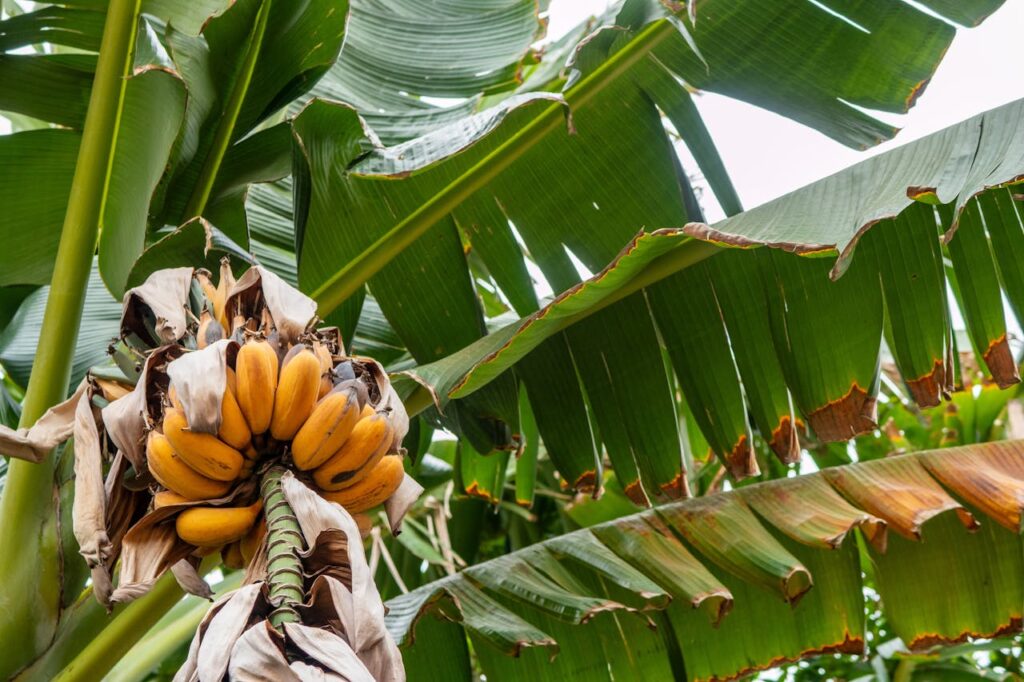
Banana Bunchy Top Virus remains one of the world’s most serious banana diseases.
Spread mainly by aphids, the virus stunts plant growth and drastically reduces banana production. Infected plants often need to be destroyed to prevent further spread.
The disease remains a major concern for banana-growing regions globally.
(Banana Bunchy Top Virus information: https://www.fao.org/plant-health-2020/about/factsheets/banana-bunchy-top-virus/en/)
6. Citrus black spot
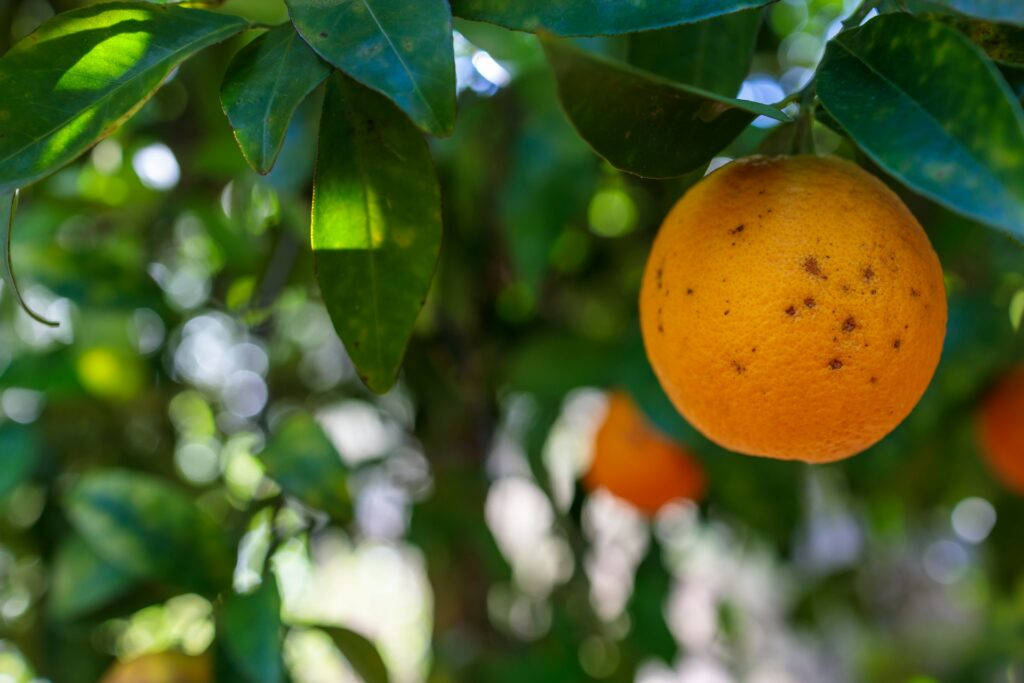
Citrus black spot is a fungal disease affecting the appearance and export quality of citrus fruit.
Although harmless to humans, the disease can create major export complications because some international markets apply strict phytosanitary rules to infected produce.
For exporters, outbreaks can threaten market access and trade relationships.
(Citrus black spot information: https://www.citrusres.com/citrus-black-spot/)
7. Foot-and-mouth disease
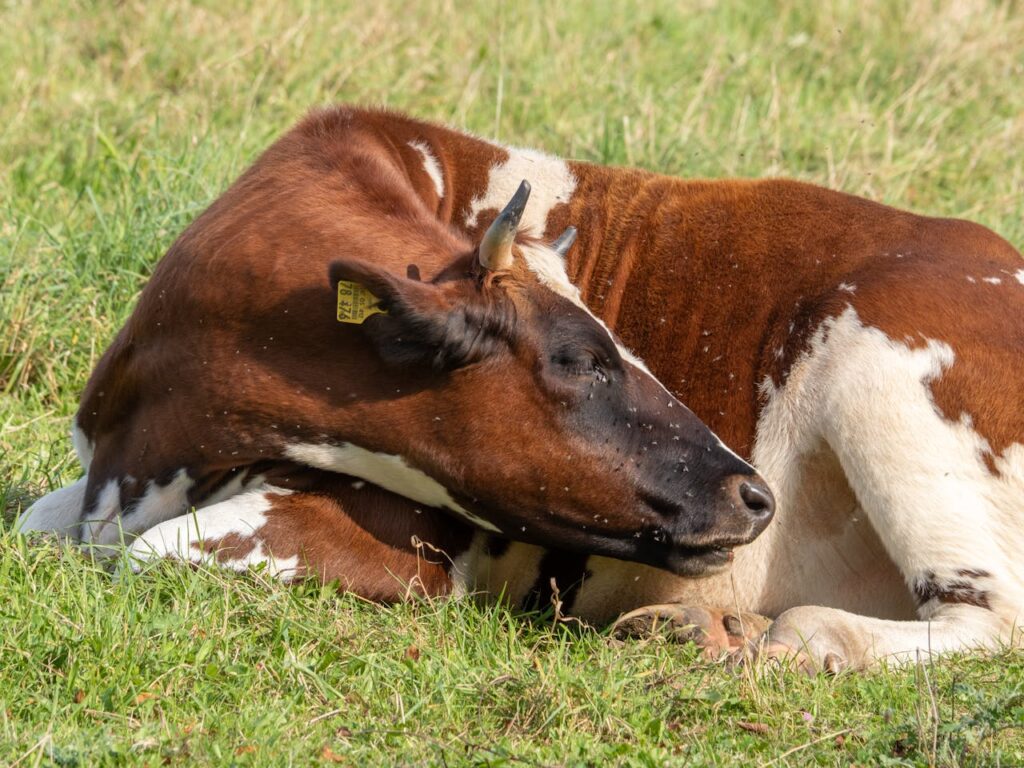
While not a plant pest, recurring outbreaks of foot-and-mouth disease continue to place pressure on South Africa’s agricultural economy.
The disease affects livestock and can trigger trade restrictions on meat exports, disrupt farming operations and increase financial pressure across the agricultural sector.
Recent outbreaks have highlighted how vulnerable food systems can become when disease control measures fail or spread too slowly.
(Foot-and-mouth disease information: https://www.woah.org/en/disease/foot-and-mouth-disease/)
A growing agricultural threat
The pressure created by pests and diseases is changing how food security is understood. The challenge is no longer only about producing enough food, but also about protecting crops, ecosystems, livestock and export systems from increasingly complex biological threats.
As climate conditions shift and global trade intensifies, experts warn that pest and disease outbreaks are likely to become more frequent, harder to contain and more expensive to manage.
For consumers, many of these threats remain invisible — until they begin affecting food prices, jobs and supply chains.